Patient Information: Using Imiquimod Cream
What is Imiquimod Cream?
Imiquimod cream is a topical medication used to treat certain types of skin conditions, including basal cell carcinomas (BCCs) and warts. It works by stimulating the body’s immune response to target and destroy abnormal skin cells, including cancerous cells and viruses.
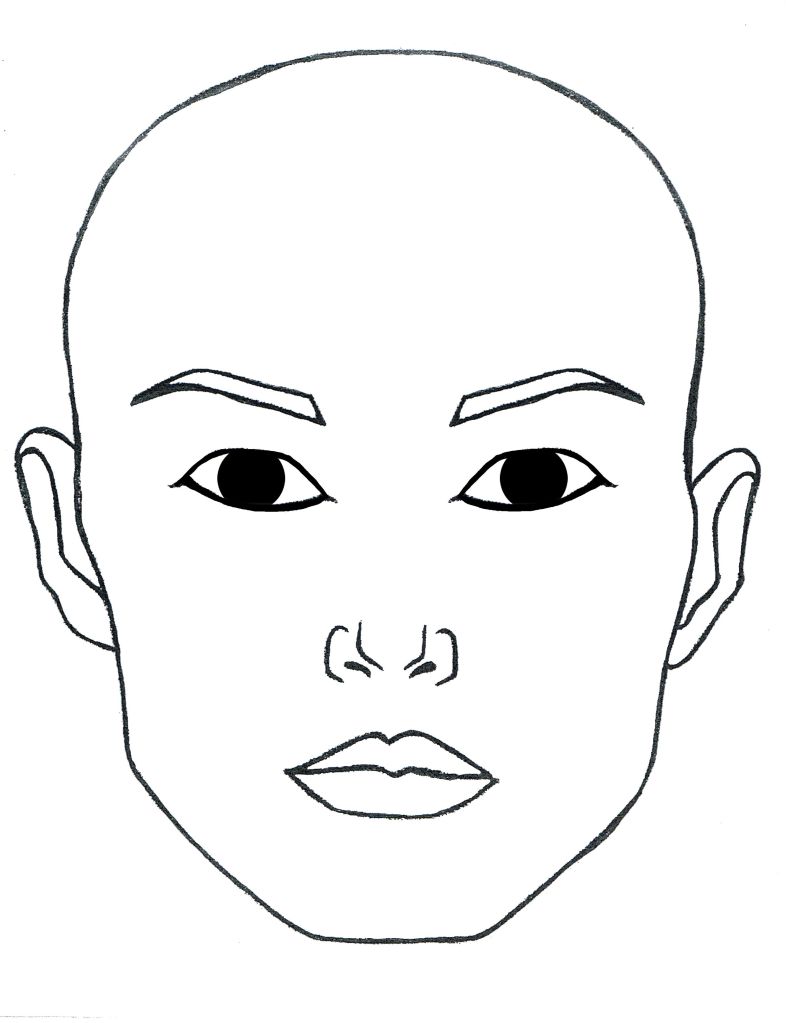

Instructions for Use:
- Preparation: Cleanse the affected area with a mild soap and water, then pat dry gently. Allow the skin to dry completely before applying imiquimod cream.
- Application: Apply a thin layer of imiquimod cream to the affected area(s) of the skin using clean fingertips or cotton bud. For cancerous lesions, be sure to cover the entire area of the cancer and an extra 5mm margin of surrounding healthy skin. For warts, apply directly to the wart, and avoid the healthy surrounding skin.
- Frequency and Duration: The aim is to maintain erythema and light crusting. It is okay to take a break for a few days if the crusting becomes intense. Apply for the directed length of time.
Side Effects:
- Local Skin Reactions: Common side effects of imiquimod cream include redness, inflammation, itching, burning, and soreness at the application site. These reactions are usually mild to moderate and may peak around the second or third week of treatment before improving.
- Flu-like Symptoms: Some individuals may experience flu-like symptoms, such as fever, fatigue, headache, and muscle aches, particularly during the early stages of treatment. These symptoms typically subside with continued use of imiquimod cream.
- Skin Irritation: In rare cases, imiquimod cream may cause severe skin reactions, including blistering, ulceration, or changes in pigmentation. Discontinue use and contact your dermatologist if you experience any severe or persistent side effects.
Managing Side Effects:
- Moisturise: Apply a gentle moisturiser to the treated area(s) to soothe dryness and minimise skin irritation.
- Sun Protection: Protect the treated area(s) from sun exposure by wearing protective clothing, wide-brimmed hats, and using sunscreen with SPF 30 or higher. Avoid prolonged sun exposure, especially during peak UV hours (10 am to 4 pm).
- Symptom Relief: Over-the-counter pain relievers, such as paracetamol or ibuprofen, may help alleviate discomfort associated with local skin reactions or flu-like symptoms. Follow the dosage instructions on the product label.
- Cool Compressess: Cool compresses can help with any mild discomfort.
For personal use only. Intended for the patients of Dr Anes Yang. Please refer to the disclaimer.
 Dr Anes Yang
Leave a comment