Patient Information Sheet: Lichen Sclerosus
What is Lichen Sclerosus (LS)?
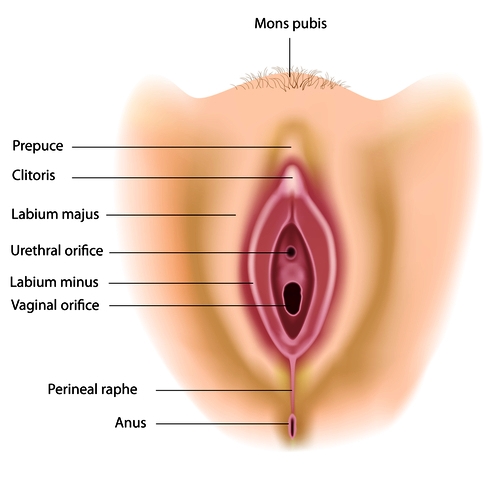
Lichen Sclerosus (LS) is a chronic inflammatory skin condition that predominantly affects the genital area but can also occur in other parts of the body. It is characterised by patches of white, thin, and itchy skin that may become inflamed and sore over time.
What Causes LS?
The exact cause of LS is unknown, but it may involve genetic predisposition, autoimmune factors, hormonal imbalances, and local trauma or irritation. LS is not contagious and cannot be passed on to others through physical contact.
Who Gets LS?
LS can affect people of any age and gender, but it most commonly occurs in women, especially after menopause. However, LS can also affect men and children. Certain factors such as genetic predisposition, autoimmune diseases, and hormonal imbalances may increase the risk of developing LS.
What are the Symptoms of LS?
The symptoms of LS vary from person to person but commonly include:
- Itching (pruritus) in the affected area
- White patches of thin skin
- Redness and inflammation
- Soreness and pain, especially during sexual intercourse or urination
- Cracks or fissures in the skin
- Bleeding or blistering in severe cases
How is LS Diagnosed?
LS is usually diagnosed based on the characteristic appearance of the skin and symptoms reported by the patient. A biopsy should be performed to confirm the diagnosis and rule out other conditions.
How is LS Treated?
Treatment aims to relieve symptoms, prevent complications, and improve the appearance of the skin. Treatment options may include:
- Topical corticosteroid creams or ointments to reduce inflammation and itching
- Moisturisers or emollients to keep the skin hydrated
- Immunosuppressive medications in severe cases
- Laser therapy for resistant cases
- Regular follow-up with a healthcare provider to monitor the condition and adjust treatment as needed
What Can I Do to Manage LS?
In addition to medical treatment, there are several self-care measures that may help manage LS:
- Avoid scratching or rubbing the affected area
- Wear loose-fitting, breathable clothing
- Practice good genital hygiene and avoid harsh soaps or irritants, do not over wash.
- Moisturise regularly.
- Use lubricants during sexual activity to reduce friction and irritation
Complications and Risk of Malignancy: LS can lead to several complications if left untreated, including:
- Scarring: Long-term inflammation and damage to the skin can result in scarring, which may cause functional problems such as narrowing of the vaginal opening (introital stenosis) or urinary difficulties.
- Increased Risk of Malignancy: There is a small but significant risk of developing skin cancer (squamous cell carcinoma) in areas affected by LS, particularly in the genital region. Regular monitoring and early intervention are essential to detect any signs of malignancy and prevent progression.
When to Seek Medical Help?
It is important to seek medical advice if you experience symptoms of LS or if existing symptoms worsen despite self-care measures. Early diagnosis and treatment can help prevent complications and improve outcomes.
 Dr Anes Yang